To get the best help for your situation, first answer the questions on the guide's start page.
Suomi.fi
Go directly to contents.What do I do?
Preparing for incidents and crises- Guide's start page
- How to prepare for incidents and crises
- Why is preparedness important?
- General instructions on preparedness, home emergency supplies and on what to do in different situations
- Epidemics and pandemics
- Threat from the air
- Information influence and hybrid influence activities
- Cyberattacks or cyber incidents
- Wildfires and major building fires
- Disruptions in payment systems
- Storms and floods
- Military conflicts and civil defence
- Power cut
- Radiation hazards
- Terrorism
- Disruptions in communications infrastructure
- Spreading of dangerous substances into the environment
- Water outage and water contamination
- Maintaining your functional capacity during a crisis
- Preparedness is about cooperation
- Preparedness instructions in print and in sign languages
- Checklist for preparing for incidents and crises
Spreading of dangerous substances into the environment
How can dangerous substances spread into the environment?
Hazardous materials may end up in the environment, for example, as a result of a road accident, a major accident at a factory dealing with dangerous substances or intentional vandalism.
Chemicals that pose an immediate risk to humans cannot usually spread over a very large area. Depending on the chemical substance, its distribution and environmental conditions, the hazardous area can range from a few dozen metres to tens of kilometres.
It is often impossible to identify hazardous materials based on your senses. This makes it important that you follow the instructions given by the authorities even if you do not notice the hazard.
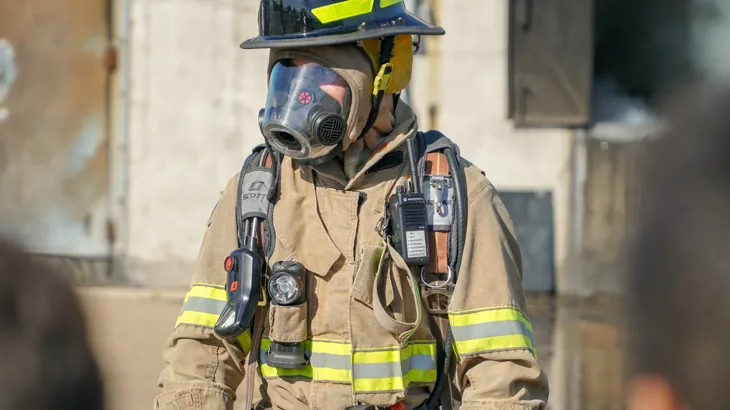
For situations related to hazardous materials, rescue departments have specially trained rescue officers and paramedics as well as equipment that meets the requirements of the situations. The purpose of the rescue services is to identify the dangerous substance, rescue people from the area, clean those exposed and provide the necessary emergency medical care.
Updated: 24/4/2026
What should I do if a hazardous substance is spreading to the environment?
If a hazardous substance is spreading in an area:
- In the event of danger, an emergency warning and, if necessary, the public warning signal will be used to warn people. An emergency warning is transmitted on the radio, the 112 Suomi application, websites and, if necessary, television.
- Seek shelter indoors, close doors and windows and switch off ventilation.
- Follow the emergency warnings and the instructions of the authorities.
If you are in a location where a presumably hazardous substance is being released into the environment:
- Cover your respiratory tracts.
- Move away from the location. Aim to move in a direction where the wind is not blowing the dangerous material and find cover in a higher place.
- Call 112 for help.
- Make sure you can be reached by first responders if you need first aid.
- Follow the instructions of the authorities.
The Poison Information Centre is the main authority that you can contact for questions related to the first aid and treatment of symptoms caused by substances.
Read more:
Updated: 24/4/2026